

The urge to tame and control what is natural and wild has been a through-line in the history of American conservation battles for more than a century. The wins and losses left conservationists with a hard-earned lesson: a place can be lost before the public even knows what is at stake.
Within a week of the catastrophic Delaware River basin flooding caused by Hurricane Diane in August 1955, the federal government revived long-shelved plans to dam the river for flood control. The justifications for what would become the proposed Tocks Island Dam would shift and expand to include water supply, recreation, and power generation.
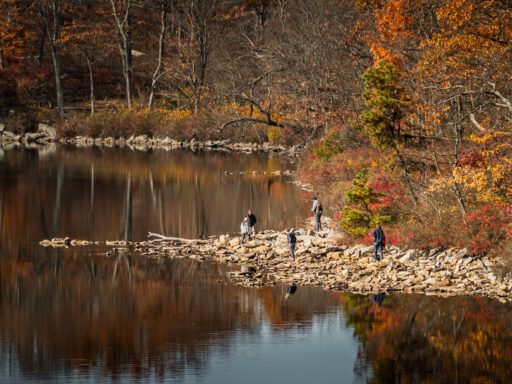
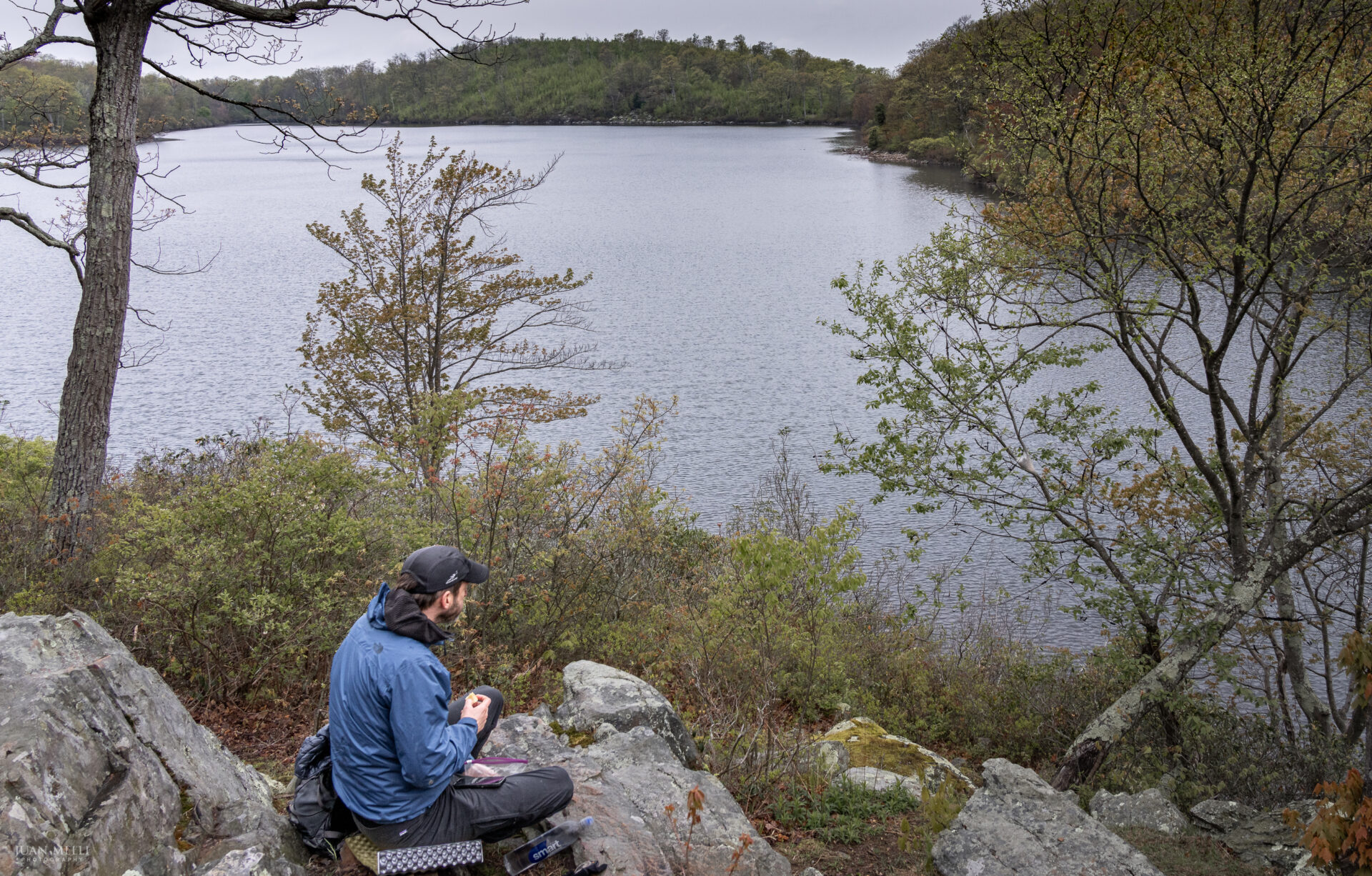
Sunfish Pond, a glacial lake perched atop Kittatinny Mountain east of the river, was eyed as a reservoir for a pumped-storage hydroelectric project. Utility companies had considered the Kittatinny ridge as a pumped-storage site for years before the flooding, but the dam would provide federal cover and a water source. Water would be pumped at night from the 37-mile man-made lake behind the Tocks Island Dam through massive pipes running up and down the mountain, stored in a constructed reservoir on the summit, and released during the day to generate electricity. The 44-acre pond would be surrounded by 82-foot-high dikes built from 1.1 million cubic yards of soil and rock, enclosing 112 acres for water storage. In exchange for the destruction of this natural gem, the project promised 1,300 megawatts of power.
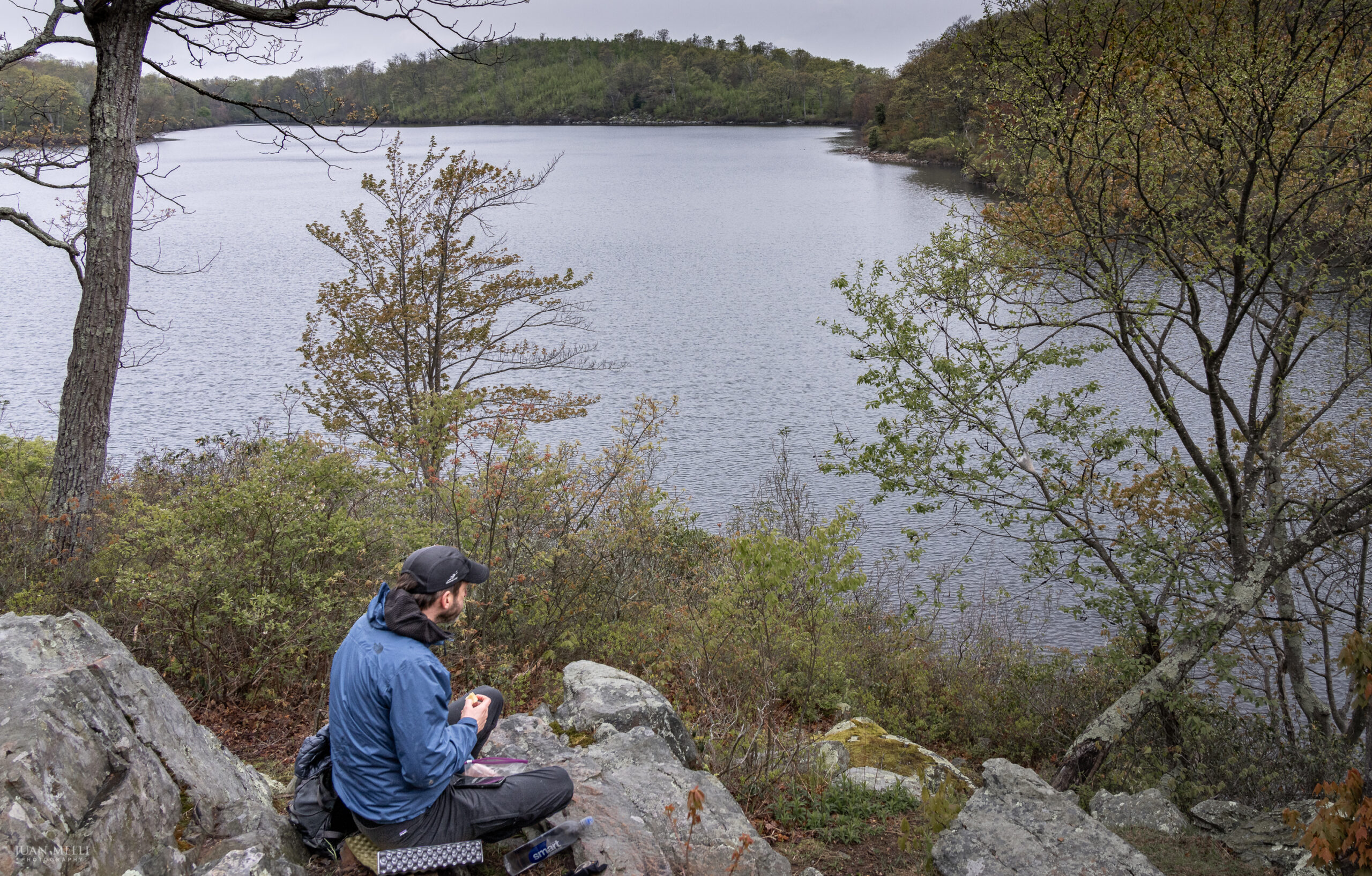
The Save Sunfish Pond movement would become a rallying point in the broader fight against Tocks Island, shaped by lessons conservationists had learned in earlier battles over dams and the impulse to control nature.
* * *
“I have always called it the Tuolumne Yosemite,” wrote naturalist John Muir, “for it is a wonderfully exact counterpart of the great Yosemite, not only in its crystal river and sublime rocks and waterfalls, but in the gardens, groves, and meadows of its flowery park-like floor.”
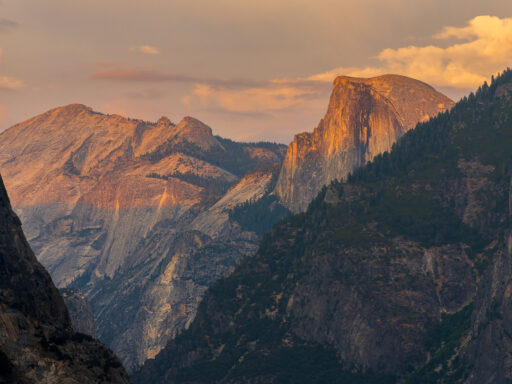
Hetch Hetchy Valley, just 17 miles from Yosemite Valley, was by any measure one of the great natural wonders of the American West.
Founded in 1892 around the exploration and preservation of the Pacific Coast’s mountain regions, the Sierra Club was originally closely associated with organized outings into Yosemite and the Sierra Nevada. Its first defining national conservation battle was over plans by San Francisco to dam the Tuolumne River and flood Hetch Hetchy Valley to create a reservoir as a reliable water and power source for the growing region.
Muir, the Sierra Club’s first president, led a seven-year campaign to save Hetch Hetchy. Part of the effort involved issuing the Special Yosemite National Park Number edition of the Sierra Club Bulletin in January 1908, in which Muir argued for the protection of Hetch Hetchy in combative, moral prose.
In these ravaging money-mad days monopolizing San Francisco capitalists are now doing their best to destroy the Yosemite Park, the most wonderful of our great mountain national parks. Beginning on the Tuolumne side, they are trying with a lot of sinful ingenuity to get the Government’s permission to dam and destroy the Hetch-Hetchy Valley for a reservoir, simply that comparatively private gain may be made out of universal public loss…
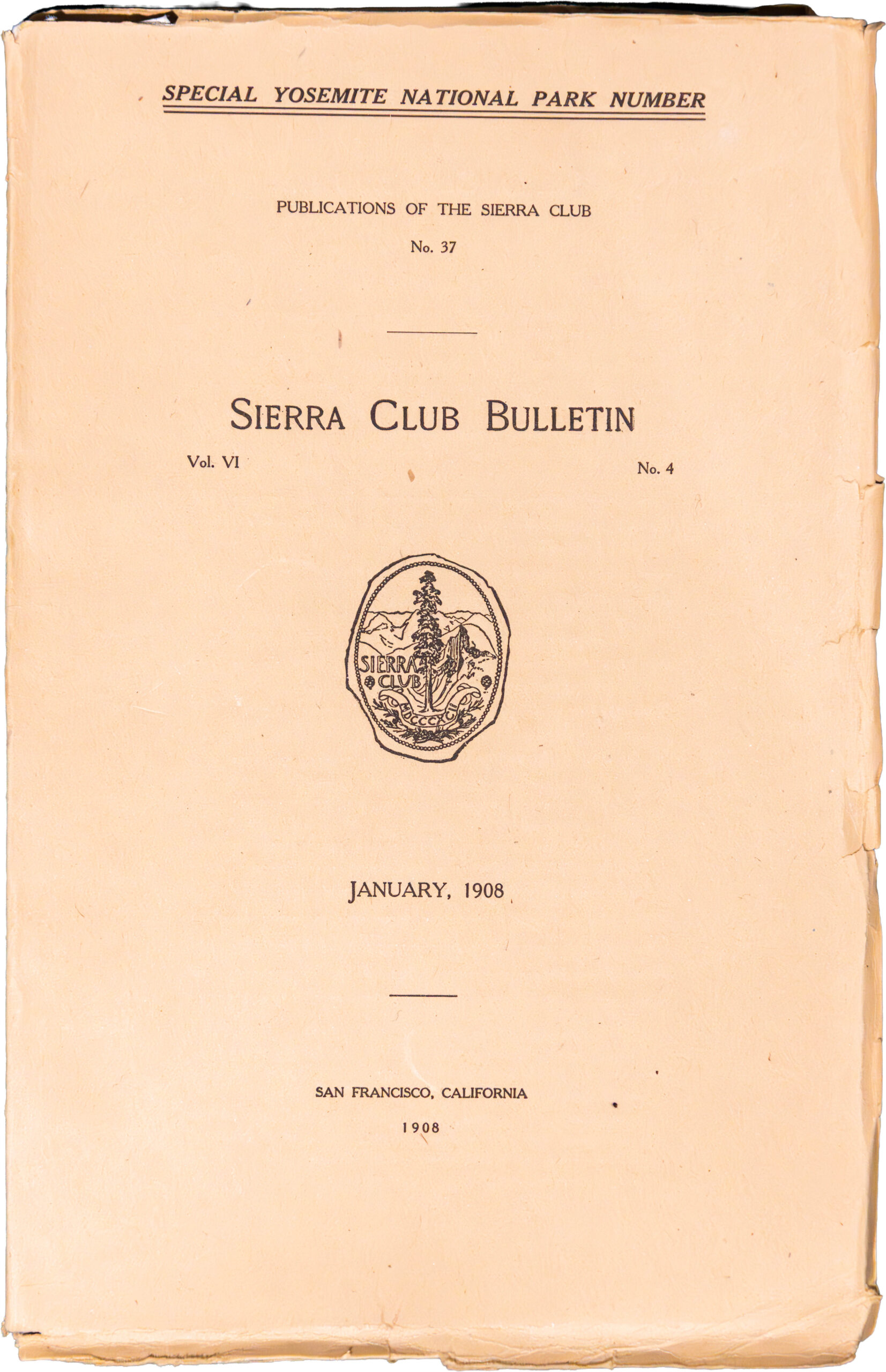
He framed the fight in explicitly religious terms, describing the valley as sacred ground and casting the decision over the future of the valley as part of a moral struggle over how we value the natural world.
This use of the valley, so destructive and foreign to its proper park use, has long been planned and prayed for, and is still being prayed for by the San Francisco board of supervisors, not because water as pure and abundant cannot be got from adjacent sources outside the park – for it can, – but seemingly only because of the comparative cheapness of the dam required….
Nevertheless, like everything else worth while, however sacred and precious and well-guarded, they have always been subject to attack, mostly by despoiling gain-seekers, – mischief-makers of every degree from Satan to supervisors, lumbermen, cattlemen, farmers, etc., eagerly trying to make everything dollarable, often thinly disguised in smiling philanthropy, calling pocket-filling plunder “Utilization of beneficent natural resources, that man and beast may be fed and the dear Nation grow great.” Thus long ago a lot of enterprising merchants made part of the Jerusalem temple into a place of business instead of a place of prayer, changing money, buying and selling cattle and sheep and doves. And earlier still, the Lord’s garden in Eden, and the first forest reservation, including only one tree, was spoiled. And so to some extent have all our reservations and parks.
Muir described the champions of the effort as “working in darkness like moles” until the public was made aware of their scheme and of the natural beauty of the Hetch Hetchy Valley, after which “thousands from near and far came to our help.”
Still a California-based organization at the time, the Sierra Club rallied thousands of members to write to President Roosevelt and the Secretary of the Interior. They were joined by mountaineering clubs from Oregon and Washington, the Appalachian Mountain Club of Boston, and others.
However, with the passage of the Raker Act in 1913, Woodrow Wilson signed the death sentence for the valley. Muir died a year later from pneumonia — though some said he died of heartbreak — never living to see the valley drowned with the completion of the O’Shaughnessy Dam in 1923.
Today, Hetch Hetchy lies submerged under a football field’s depth of water, held back by a concrete monument to an early loss of the conservation movement. Muir’s moral clarity was powerful, but the Sierra Club lacked the political strategy to win. The loss would cement Muir’s legacy and serve as a costly lesson for future conservation fights.
* * *
In the 1950s, the Bureau of Reclamation proposed building the Echo Park Dam inside Dinosaur National Monument, where it would impound the Green and Yampa rivers for hydroelectric power. Having learned the lesson of Hetch Hetchy, in 1955 the Sierra Club’s first Executive Director David Brower conceived of a book as an advocacy tool. The result was This Is Dinosaur: Echo Park Country and Its Magic Rivers, a book edited by Wallace Stegner, which was specifically designed to be mailed to every member of Congress.
Within each book was a fold-out guide titled “What is Your Stake in Dinosaur?” created to spur grassroots action by urging readers to “Write your Congressman and tell your friends about the problem and the need.”
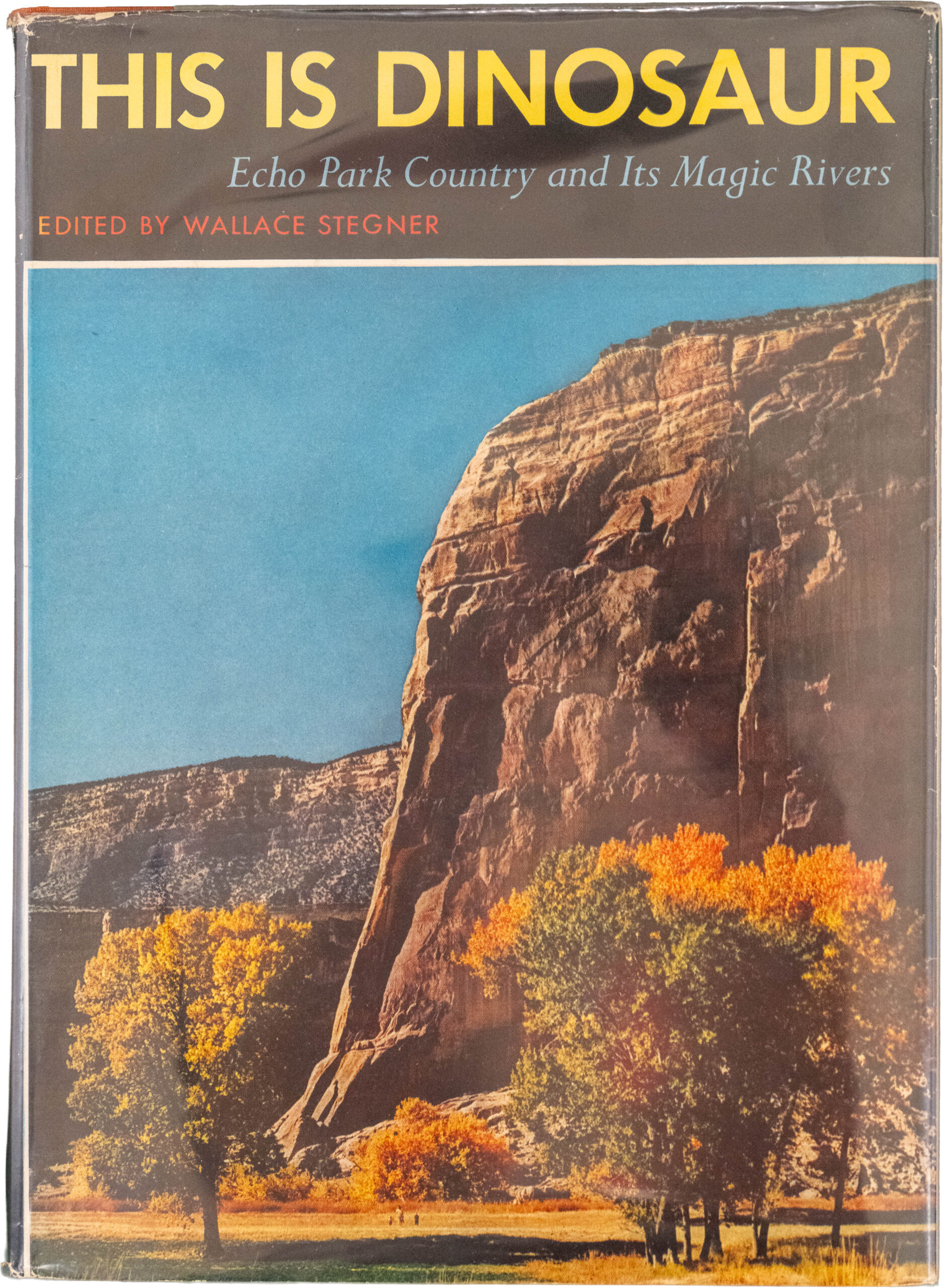
The guide was clear about its purpose: “In Yosemite we learned a costly lesson long ago — a lesson it is imperative to heed now in Dinosaur National Monument. We don’t have to choose between sound development and beautiful parks — wise planning will give us both.”
Through prose and 36 pages of color and black-and-white photos, the book illustrated, even to people who had never visited the park, the natural resources and beauty that would be lost forever if the dam were built. The caption on the final photograph left the reader with a powerful question:
This, you know now, is a country as grand and beautiful as any American can boast; and if the dams are built as they have been proposed, at Echo Park and in Split Mountain, almost all of what you have seen of this river-veined and marvelous wilderness will be wiped out. Take away a question from your trip through Dinosaur: weigh carefully what dams would do, and whether other dams in other places wouldn’t do these things as well, and what must be given up if the dams must go here, and whether, in the end, we may not be in danger of engineering out of existence some of the things that make existence precious.
In the end, the book, paired with legislative testimony, a mass letter-writing campaign, media engagement, and a coalition of dozens of organizations and constituencies from across the country, became part of the strategy that successfully defeated the Echo Park Dam. The coalition accomplished what Muir could not.
But it would be a pyrrhic victory.
To save Dinosaur, the environmental movement acquiesced to the Glen Canyon Dam as an alternative, damming the Colorado River and creating Lake Powell. The decision would haunt Brower.
* * *
Glen Canyon never stood a chance. Environmentalists gave it up as part of the Dinosaur compromise without a fight and largely without knowing what they were about to lose forever.
Lake Powell began filling on March 13, 1963. As it was drowning Glen Canyon, Eliot Porter published The Place No One Knew: Glen Canyon of the Colorado, a landmark color photography book documenting what would become known as America’s “lost national park.”
In the foreword, Brower offered a blunt confession:
Glen Canyon died in 1963, and I was partly responsible for its needless death. Neither you nor I, nor anyone else, knew it well enough to insist that at all costs it should endure. When we began to find out it was too late.
The irony was brutal. The central lesson of the Dinosaur fight: show people what they stand to lose before the decision is made. For Glen Canyon, that lesson was not heeded. The place was traded away before the public understood its beauty, scale, or meaning.
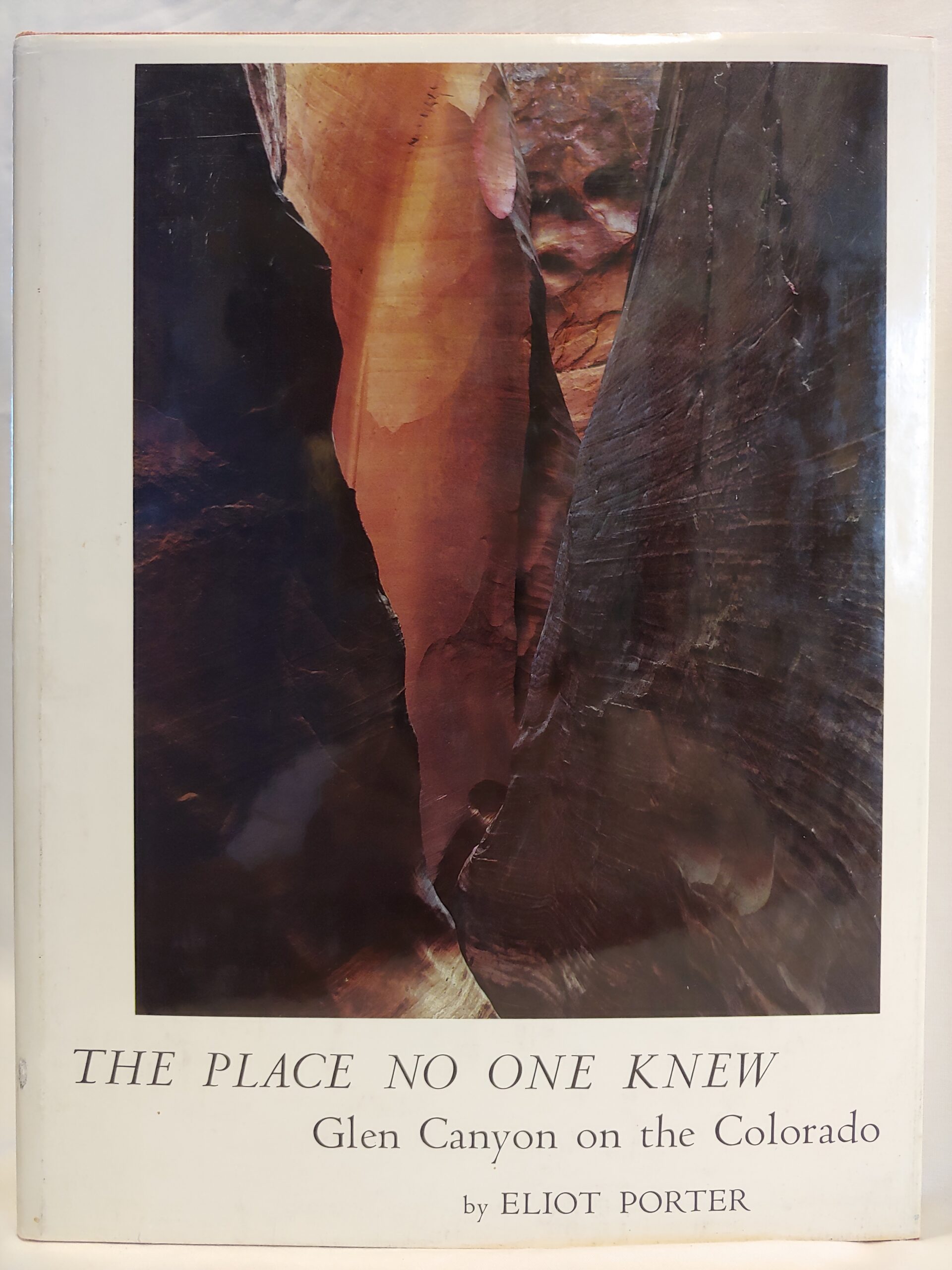
The book served not just as an elegy for a natural wonder actively drowning beneath Lake Powell, but as a warning for a generation of environmentalists. Glen Canyon taught them that a place could be lost before the public ever knew what was at stake, echoing Muir’s characterization of those who worked “in darkness like moles.” The lesson was simple: make people see the natural beauty they are about to lose before it is too late. The Save Sunfish Pond movement would take that warning to heart.
Discover more from From My Perspective
Subscribe to get the latest posts sent to your email.