Urban nature has a way of surprising you. This time, it came in the form of a Sandhill crane calmly strutting through a Rahway neighborhood -- and getting close enough to peck my shoe.
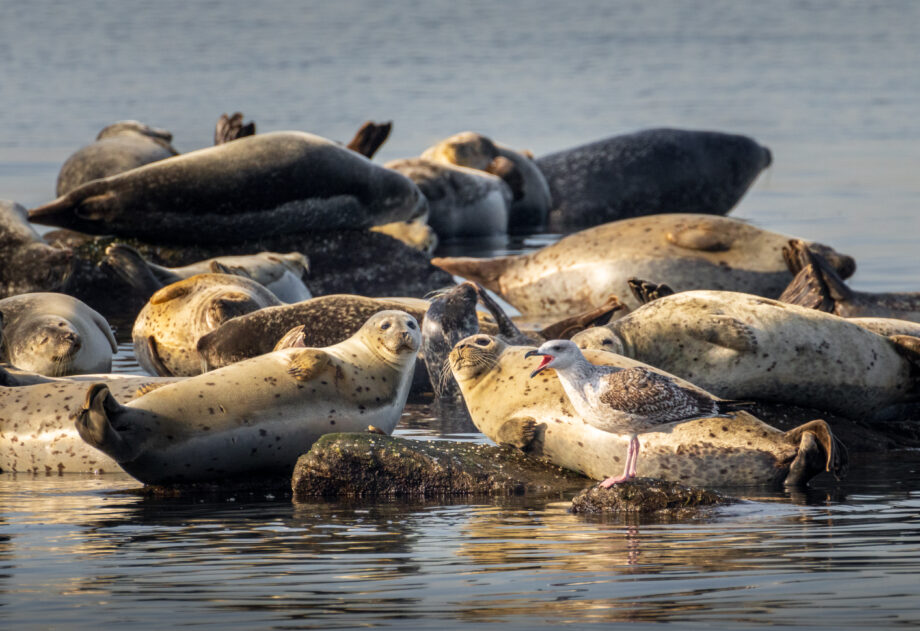
Once rare in Sandy Hook Bay, harbor seals have returned. Cleaner water, healthier fish populations, and stronger protections have changed the story. Each fall, seals migrate south from Canada and New England, hauling out along the bay to rest, warm up, and ride out the winter.
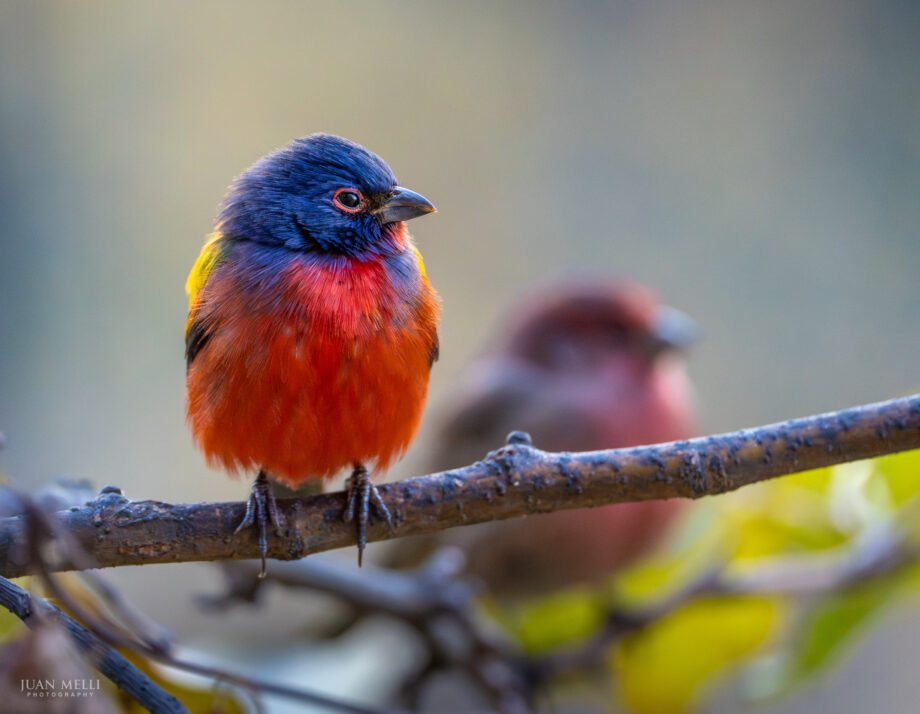
Painted buntings are rare visitors to New Jersey, especially in winter. So when a brightly colored male appeared at a backyard feeder near Harsimus Cemetery in downtown Jersey City, birders from across the region took notice. Against an otherwise gray winter backdrop, the bunting brought a flash of color that felt almost unreal.
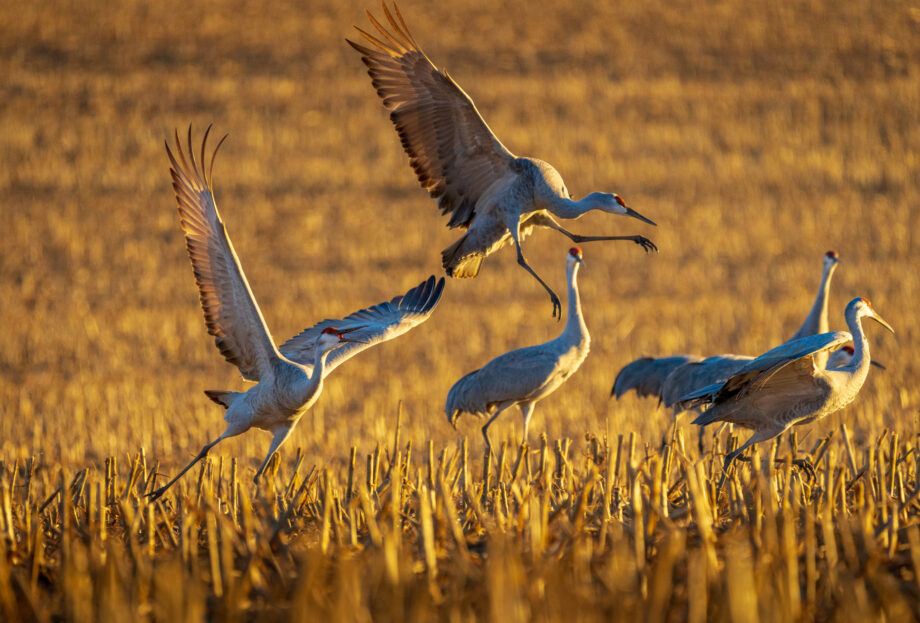
Sandhill cranes are the most abundant crane species in the world, yet they remain uncommon in New Jersey. As sightings increase, I was fortunate to encounter them in three different locations over just two weeks.
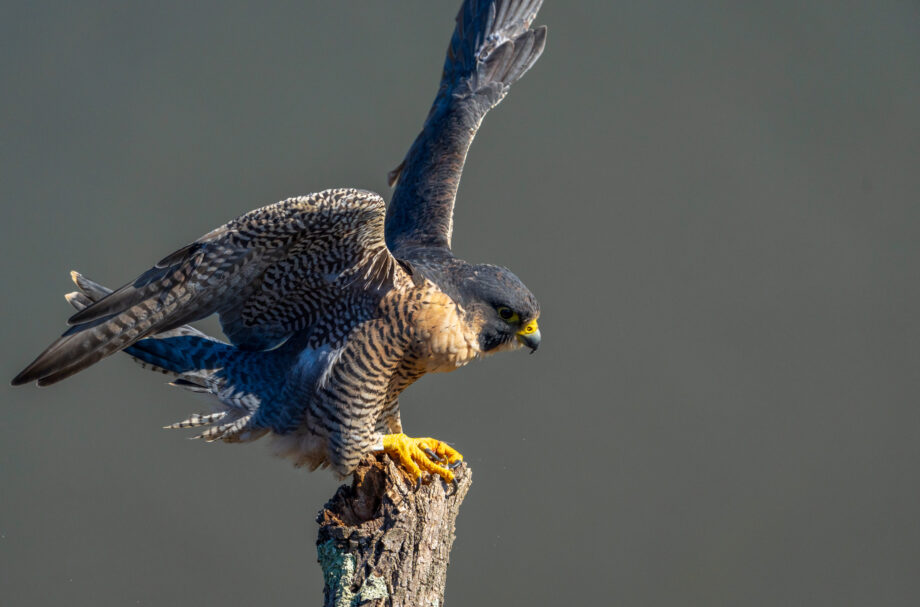
Once driven to local extinction in the eastern United States by DDT, peregrine falcons have made a remarkable recovery through bans, captive breeding, and reintroduction efforts. Along the Hudson Palisades, a resident pair lives year-round, offering a rare chance to observe the world’s fastest bird up close.
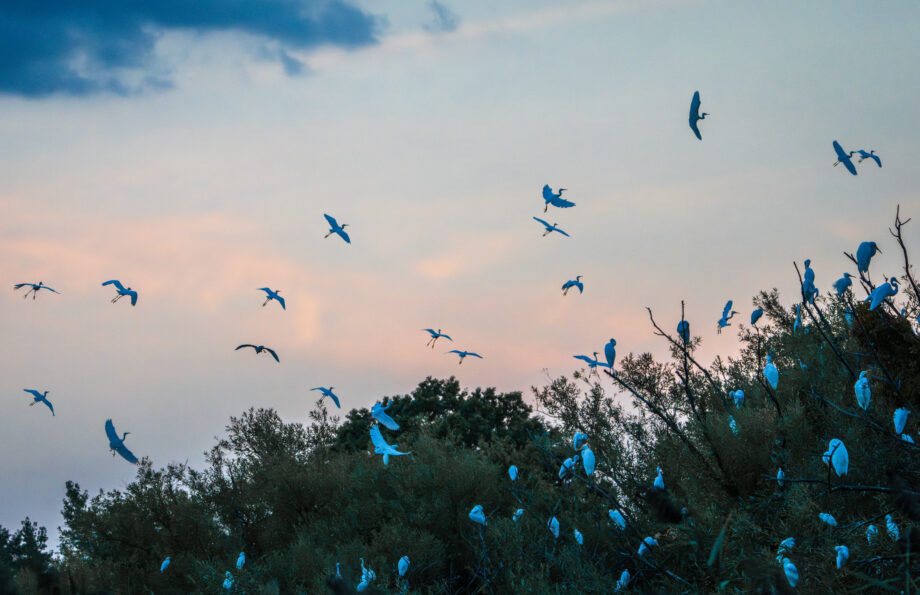
You wouldn’t expect one of New Jersey’s largest wildlife spectacles to exist between Newark and Manhattan, beside the Turnpike and one of the busiest rail corridors in the country. But just before sunset, hundreds, sometimes nearly a thousand, egrets stream into a small grove of trees around a pond in Secaucus.
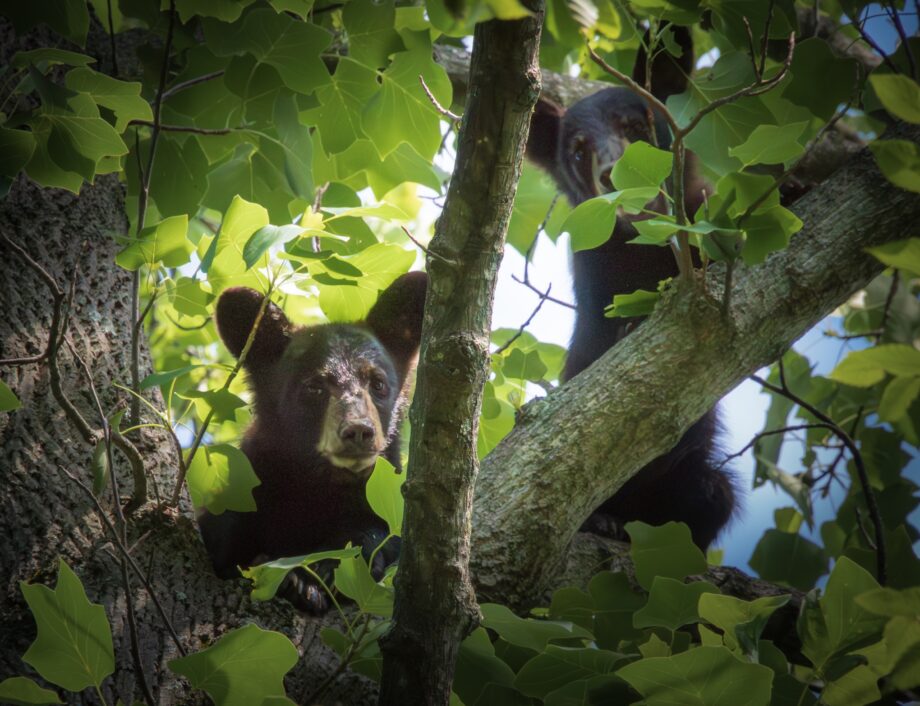
We were in dense woods when we saw him: a black bear about 100 feet ahead. I did what you’re supposed to do when you encounter a bear. I reached for my camera.