
Whenever I start planning another backpacking adventure, my thoughts return to the Sierra Nevada. I’ve visited Yosemite National Park eight times, climbed Mount Whitney twice, and section hiked the John Muir Trail, which connects the two – stretching from Yosemite Valley to the summit of Whitney.
This summer, I secured a hard-to-get “Exiting Mount Whitney” wilderness permit beginning at the Cottonwood Lakes trailhead in Horseshoe Meadow. Because Mount Whitney is such a popular destination, only a limited number of backpackers are permitted to finish their trips at Whitney Portal each day. The advance allotment is released online six months ahead and disappears within seconds.
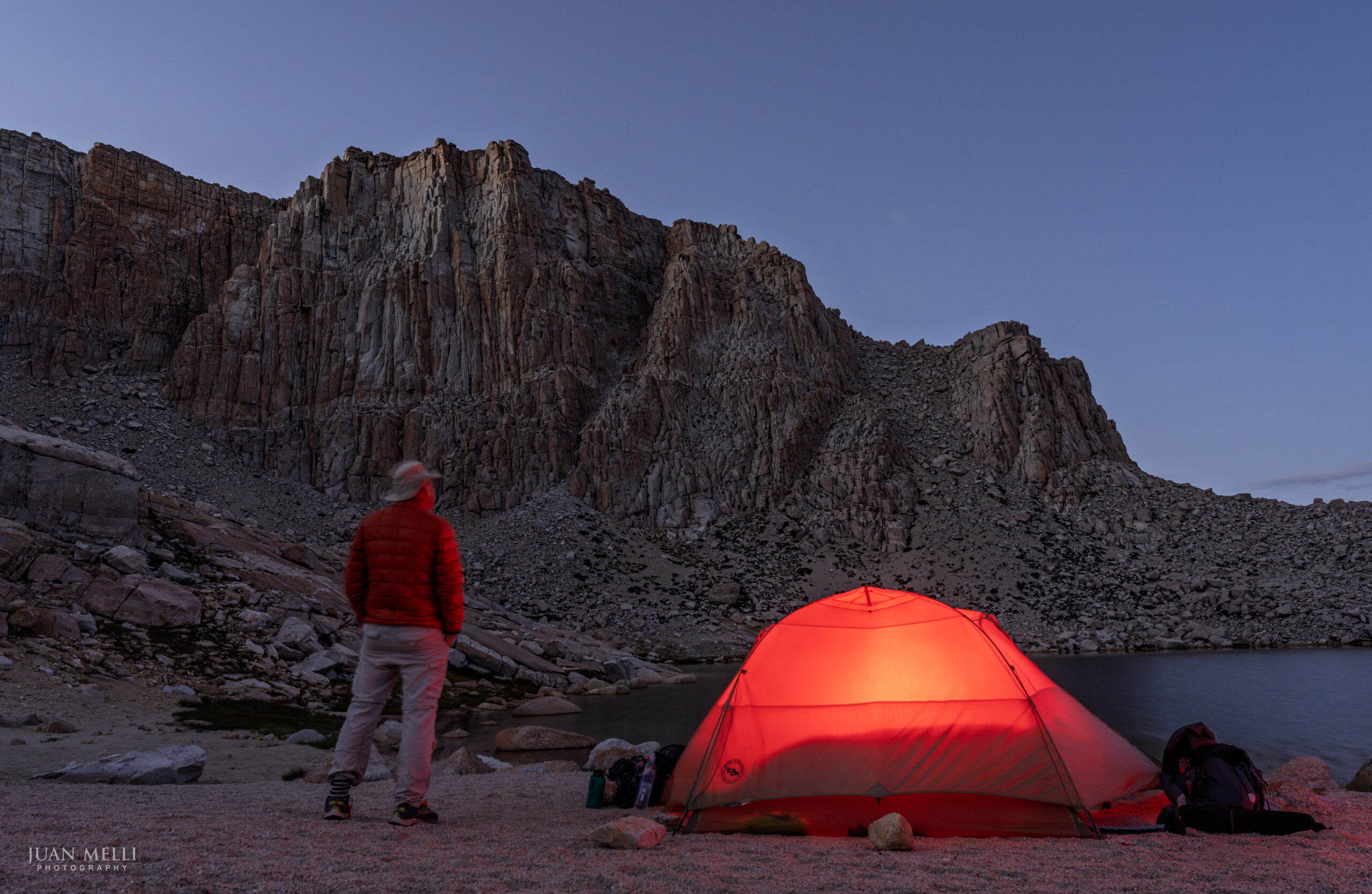
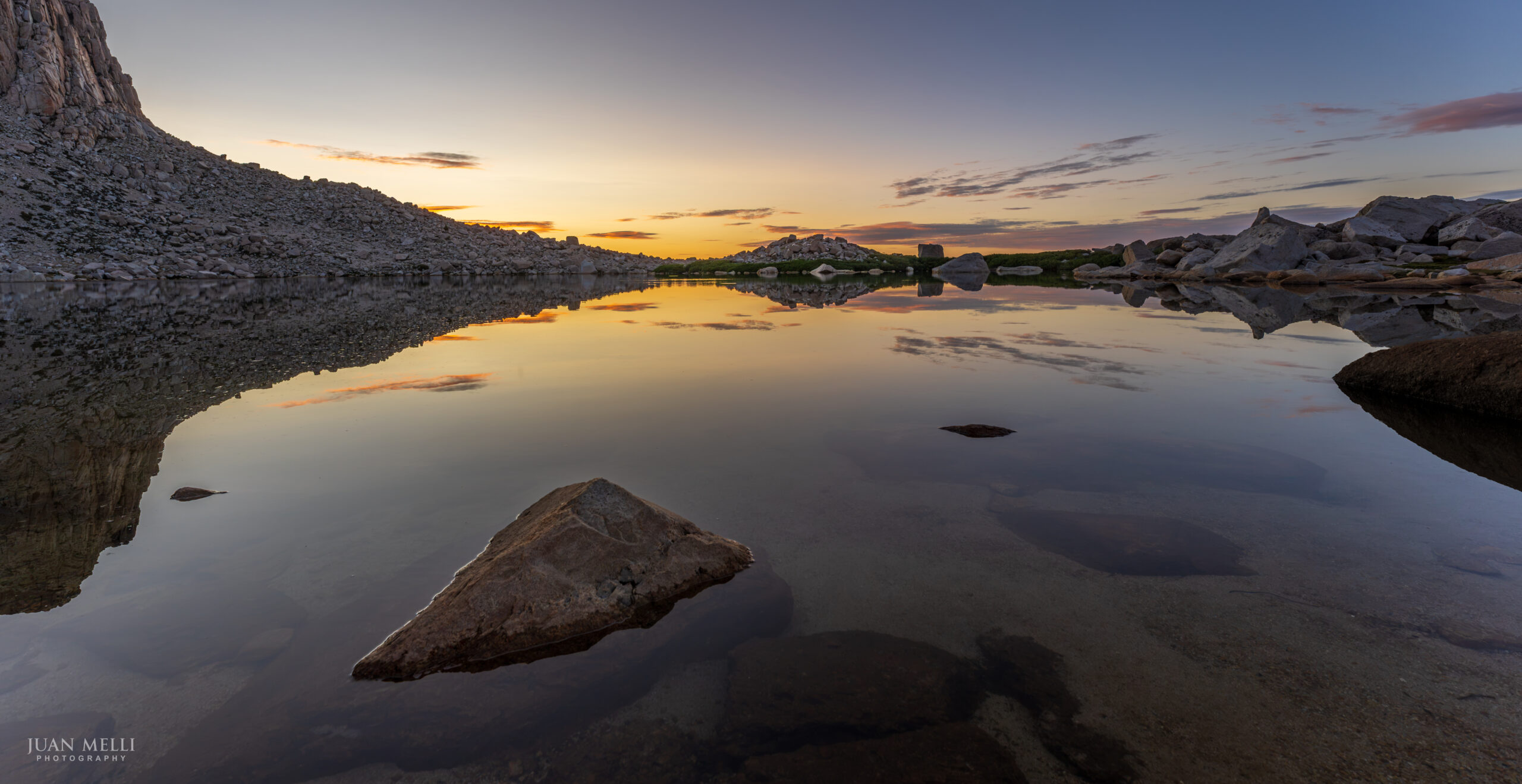
Our first night’s camp was at High Lake, an alpine lake in the John Muir Wilderness at nearly 11,500 feet, tucked beneath New Army Pass (12,400′).
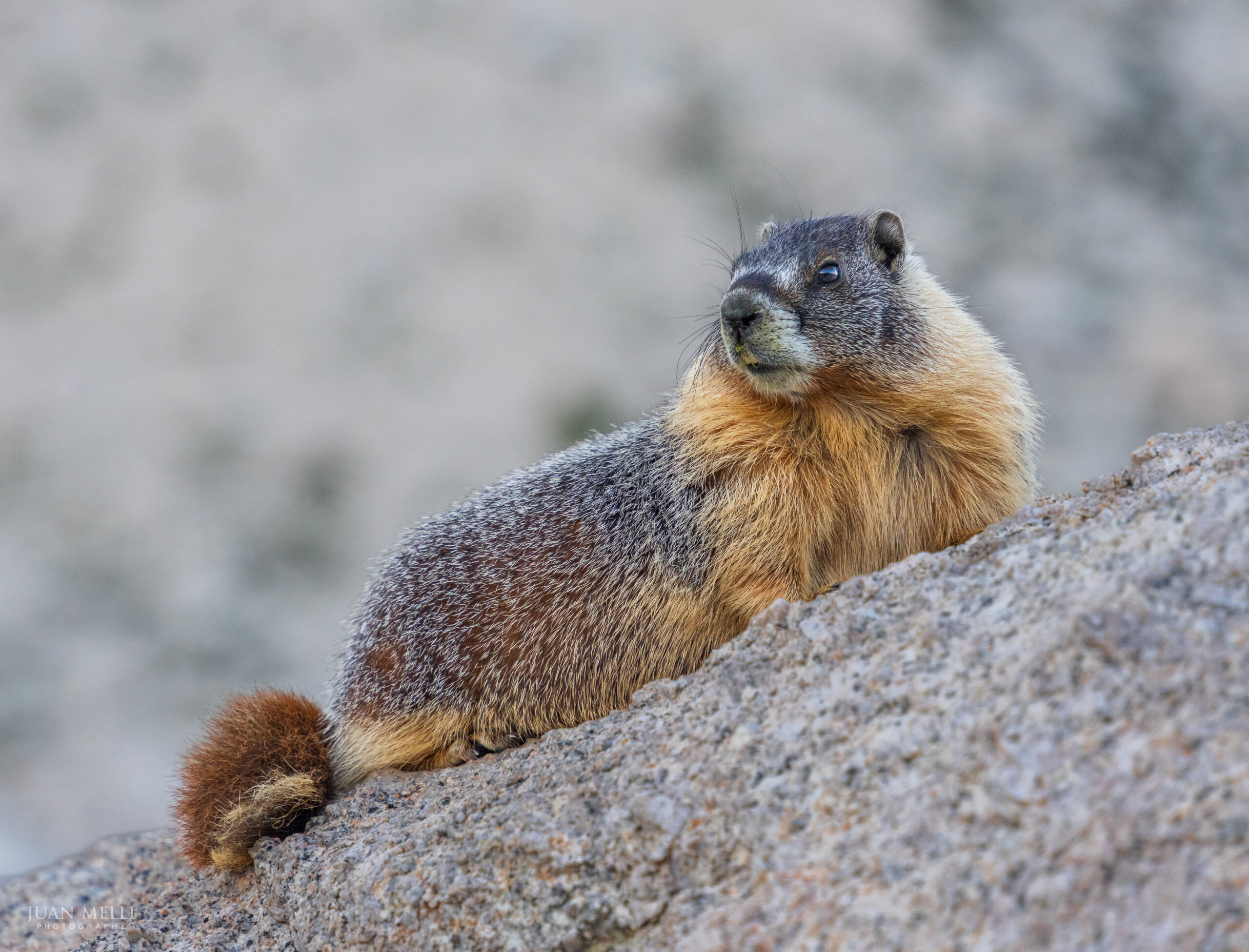
Near our campsite, marmots posed like sentries on the nearby rocks.
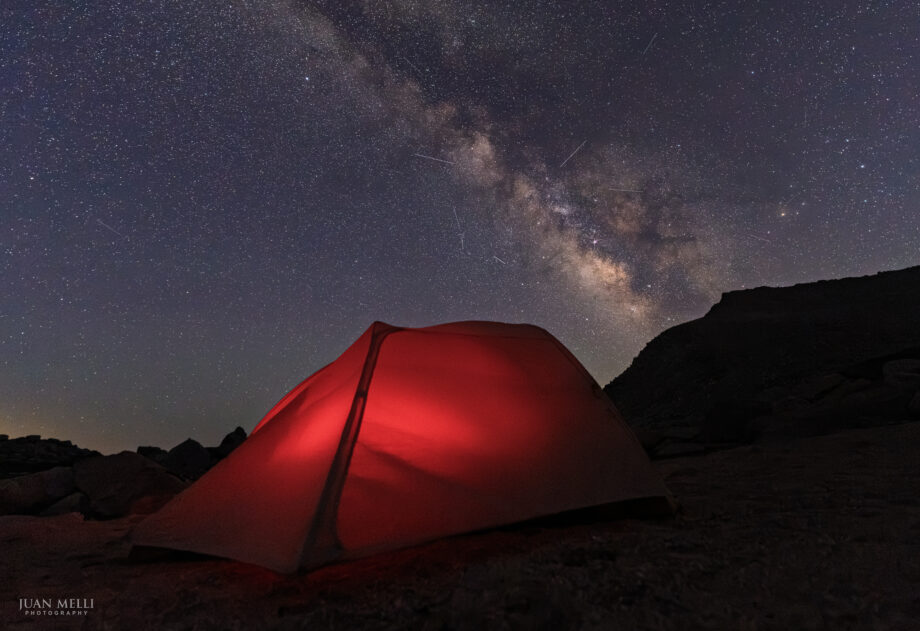
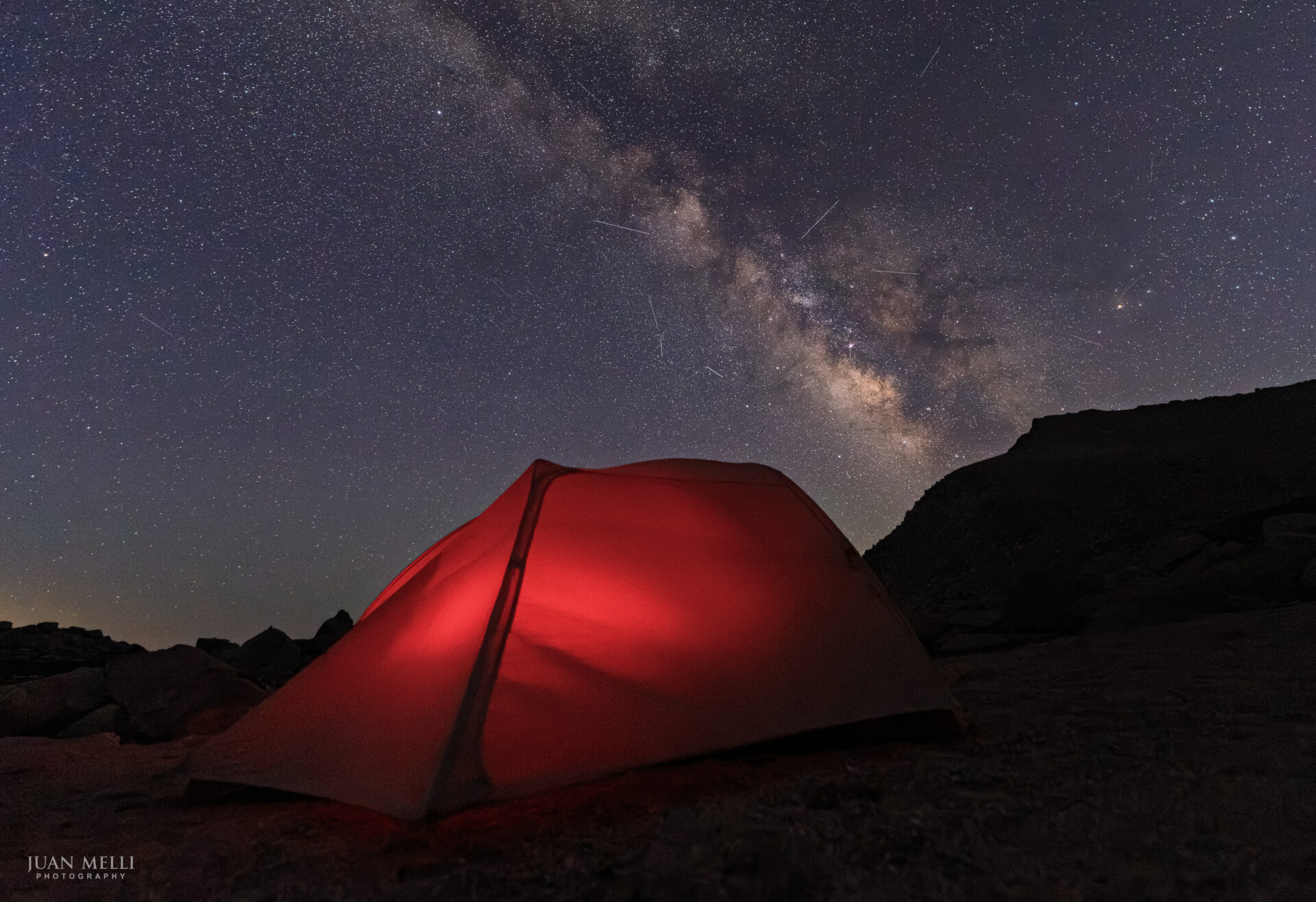
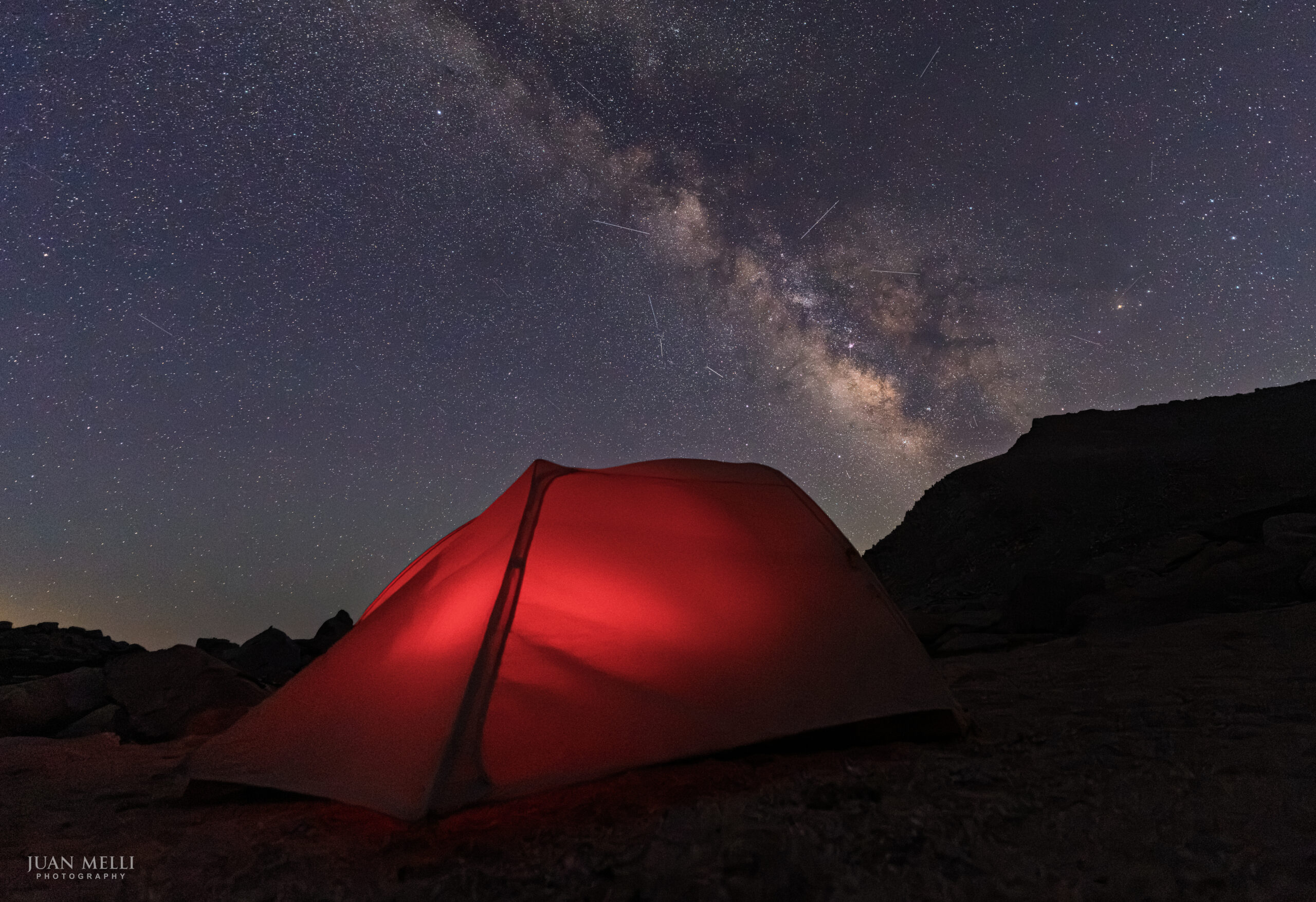
The night was exceptionally dark, and we slept without the rain fly. Each time we woke, we had an unobstructed view of the Milky Way and thousands of stars overhead.
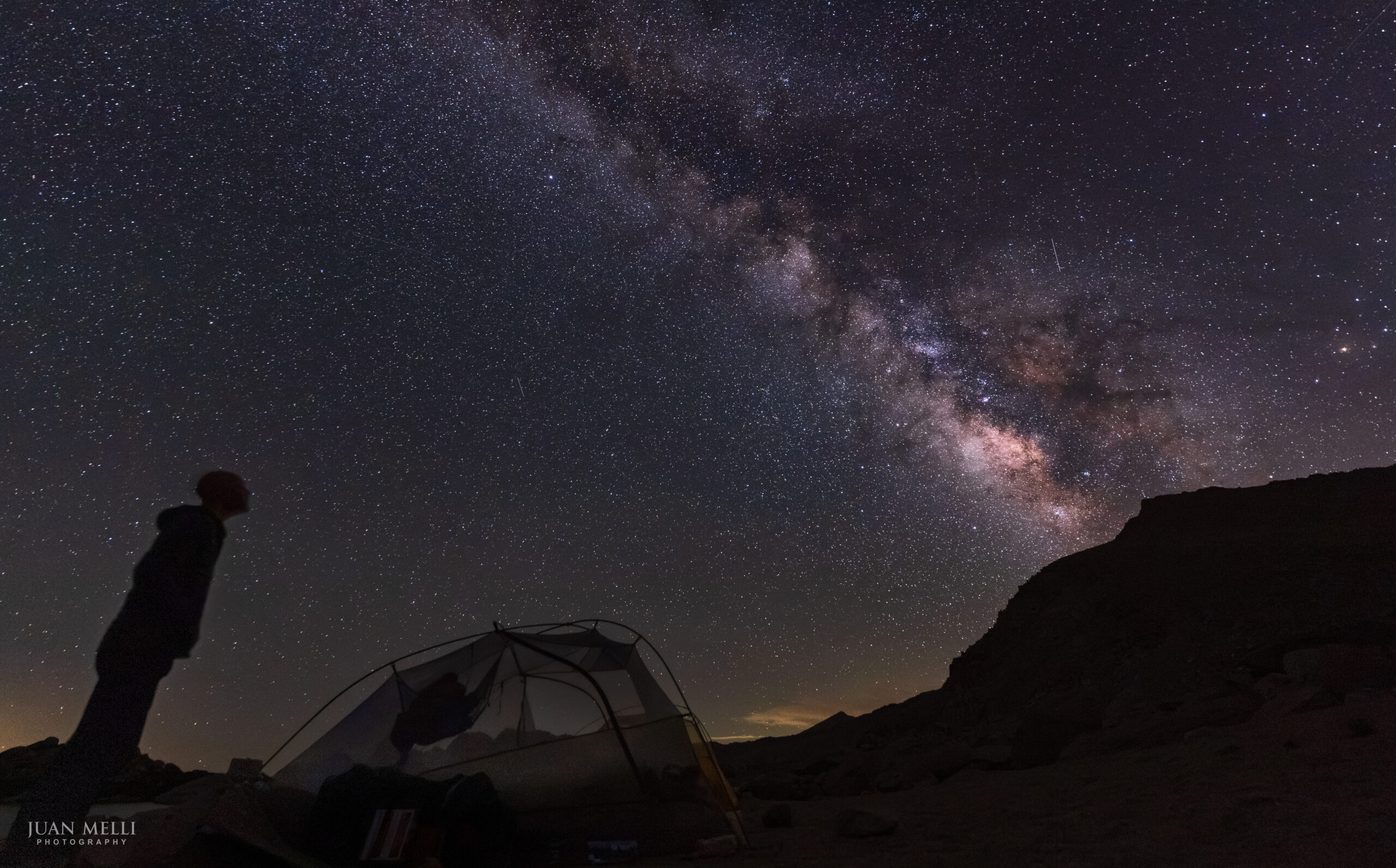
The night was just a few days before the peak of the Perseid meteor shower. In this eight-second exposure, more than 20 light streaks can be seen.
The following morning, we climbed to New Army Pass, approximately 12,400 feet above sea level, and crossed into Sequoia National Park.
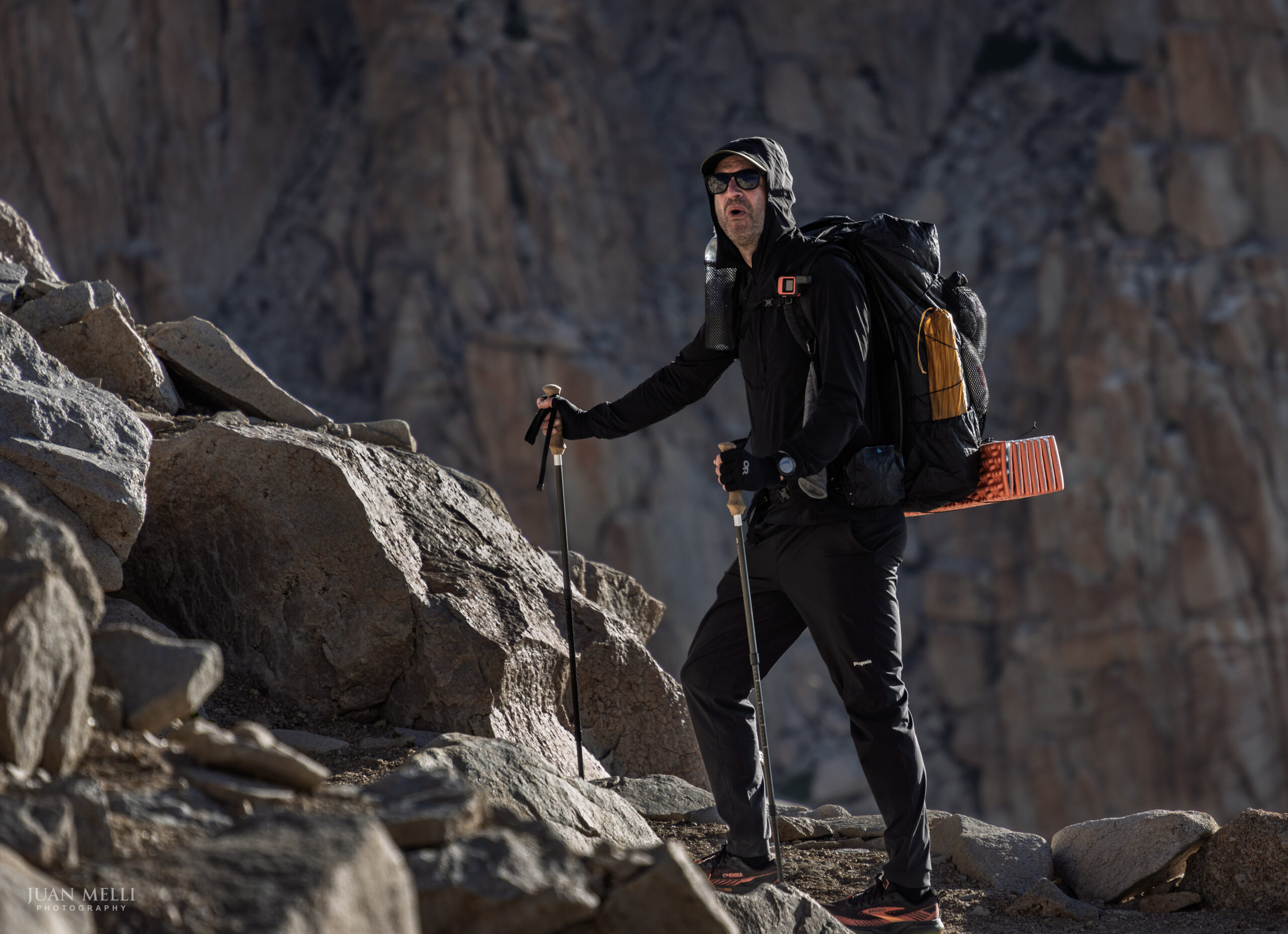
We descended into the Rock Creek drainage and eventually returned to the forest. A thunderstorm arrived just as we reached our campsite beside Guyot Creek.
The following day, we crossed Guyot Pass, hiked through Crabtree Meadow, and reached the Guitar Lake area to the west of Mount Whitney.
Guitar Lake is beautiful but heavily used, so we continued uphill, passing a tarn before reaching a small pond roughly 500 feet above the lake.
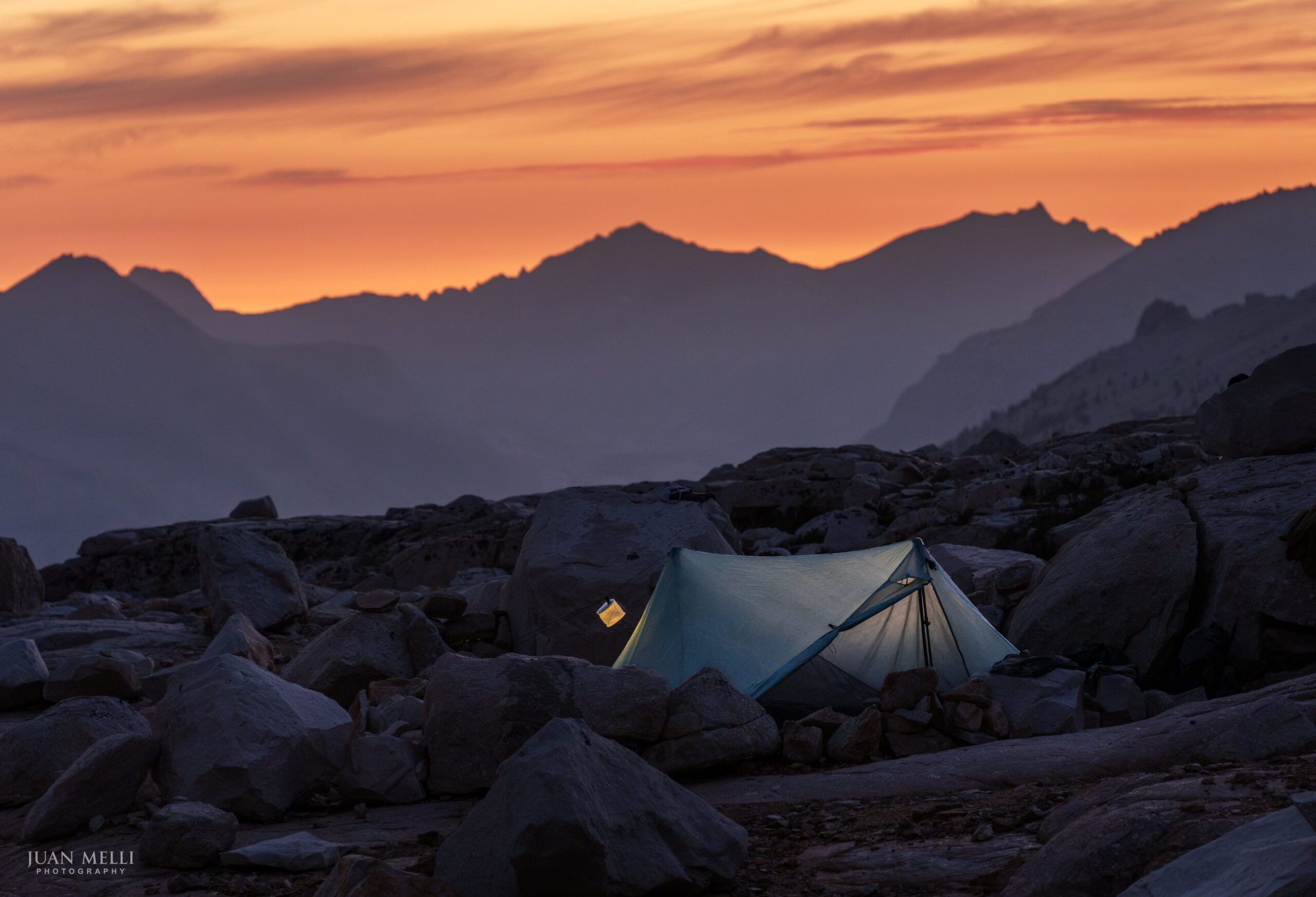
Our group woke early the next morning to climb the switchbacks toward the junction of the John Muir Trail and Mount Whitney Trail, reaching it at around 3:00 a.m. The basin was pitch-black when sharp cracks suddenly echoed through the darkness. In the distance, flashes appeared as a large rockfall thundered down the mountain. For nearly 30 seconds, large blocks of granite tumbled and crashed into each other, sending sparks into the night.
Our goal was to summit Whitney, but it wasn’t in the cards that morning. Roughly a mile from the top, we turned back. We could have pushed on, but in the high mountains, poor decisions compound and the margin for error is thin. The sunk-cost trap is especially dangerous there, but you have to know when to turn around. As they say, the mountains will still be there.
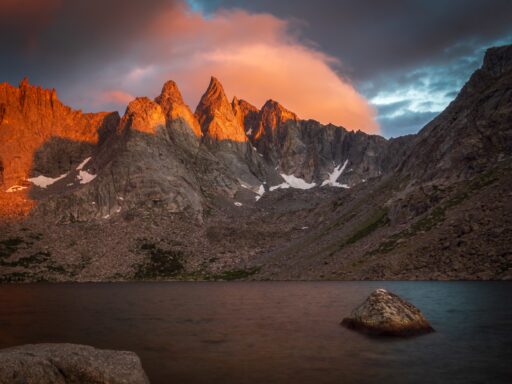
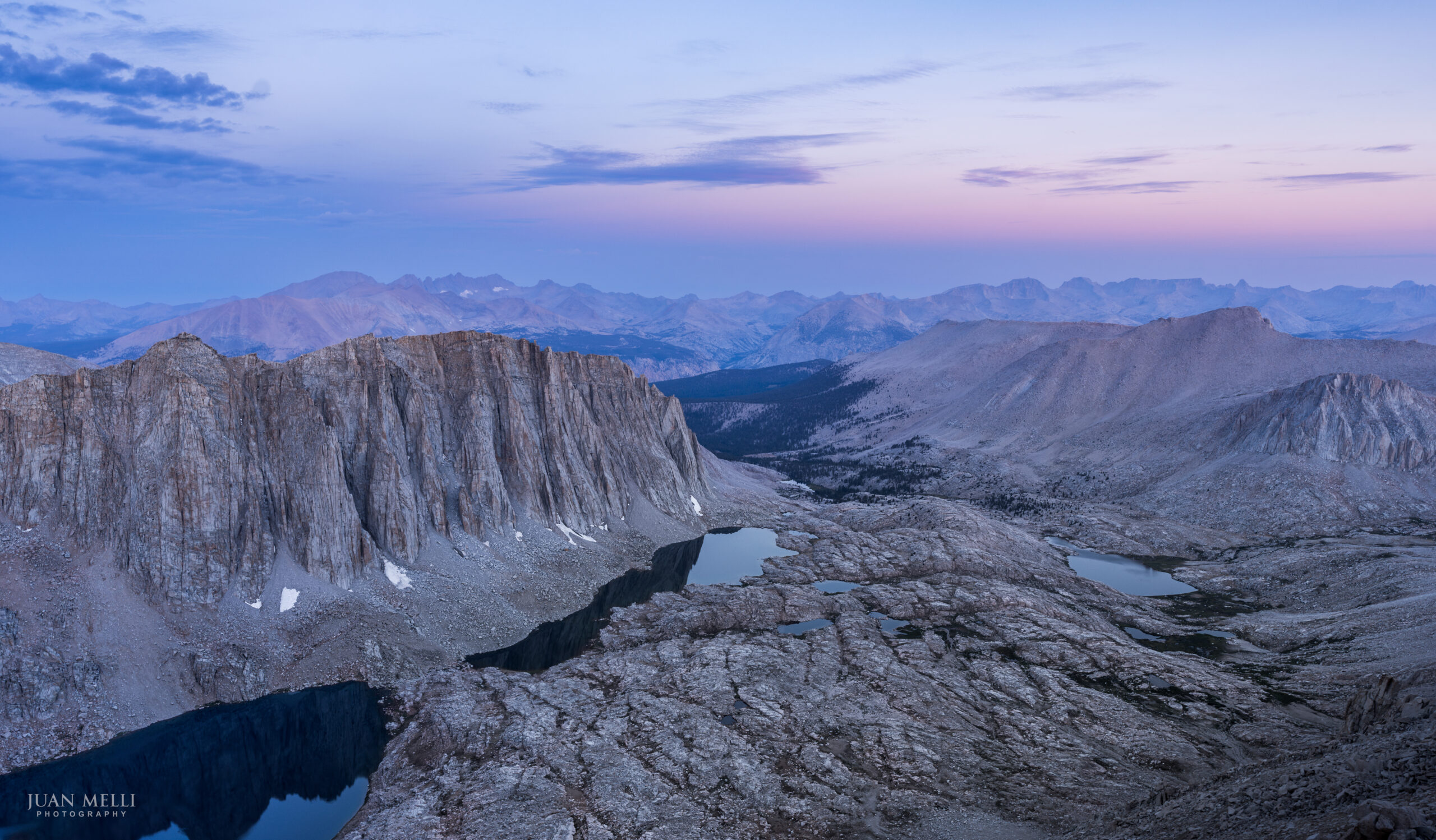
We returned to the trail junction around sunrise. The colors over the Guitar Lake Basin — the upper Whitney Creek drainage — were reward enough.
Nearby, we crossed Trail Crest at 13,645 feet — the highest trail pass in the United States — where the Mount Whitney Trail crosses the Sierra Crest from Sequoia National Park into the Mount Whitney Zone of Inyo National Forest.
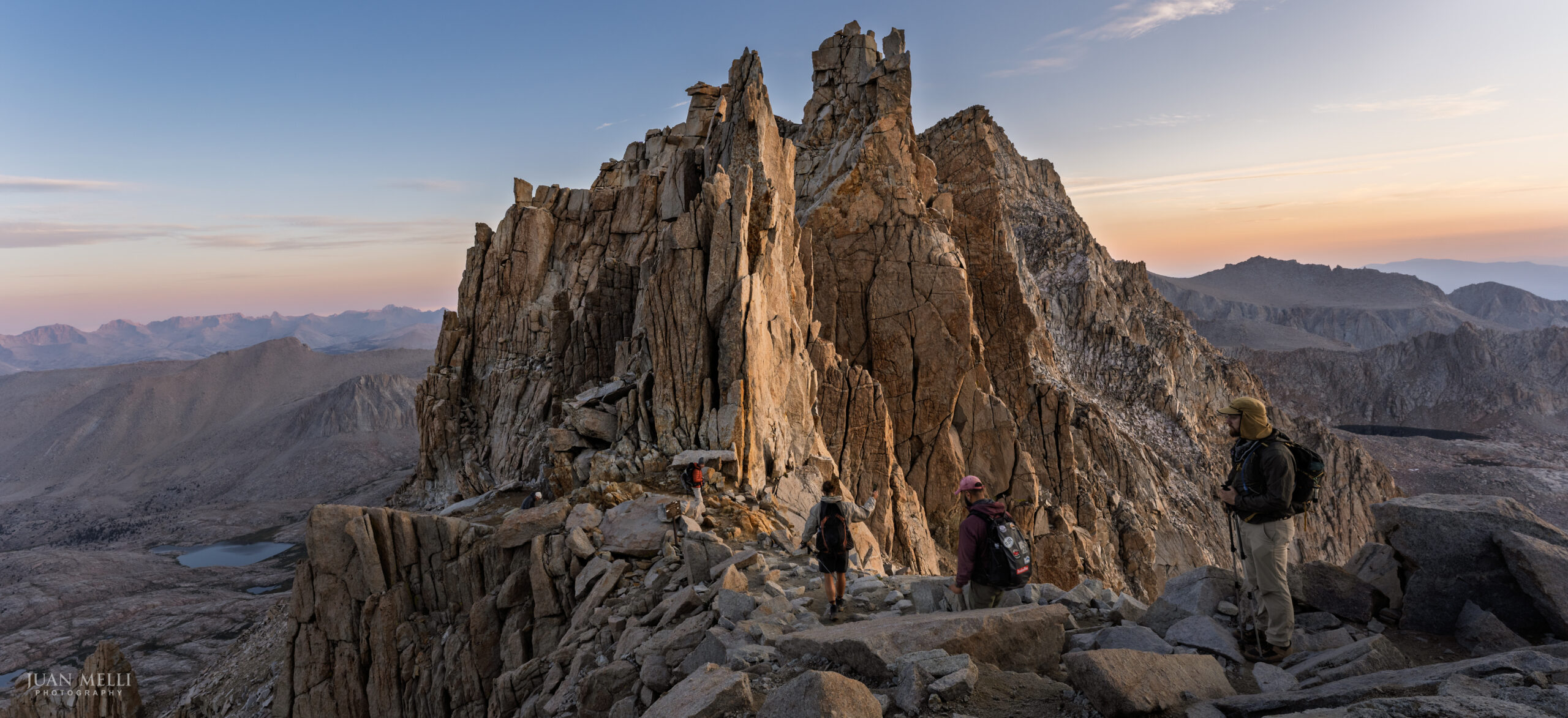
From there, we began descending the infamous 99 switchbacks (there are actually 97), and after a brutal 5,300-foot descent, we made it to Whitney Portal, where we feasted on obligatory cheese burgers and beer.
Discover more from From My Perspective
Subscribe to get the latest posts sent to your email.